If a hat or helmet sits on your head for eight hours a day, your haircut is not really the style you leave the shop with. It is the style that survives removal in a parking lot at five o'clock. Construction crews, delivery drivers, landscapers, and motorcycle commuters around Rock Hill all fight the same physics: pressure flattens the top, sweat loosens any product, and the hat line prints itself across the sides.
The fix is seasonal as much as stylistic. Summer sweat and winter dryness do different things under a hat, and the cut that recovers fastest in July needs adjusting by January. Start with the checklist, then time the changes to the seasons.
First, what hats and helmets actually do
Pressure is the main actor. A hat band compresses hair at the sides and back, leaving a visible ridge when it comes off, while the top gets pressed flat in the shape of the crown. Helmets add heat and friction; liners rub the same spots daily, which is why regular riders sometimes notice thinning at the contact points and breakage along the hairline.
Sweat is the second actor. Under a hat in Carolina humidity, the scalp stays damp for hours, product dissolves, and hair dries in the compressed shape it was held in. Most hat hair is not a styling failure at all. It is hair that dried under pressure and kept the mold.
The daily-hat checklist
- Top length short enough to stand back up. Pass: a quick hand-rough after removing the hat restores shape. Fail: length that stays plastered in the hat's shape until washed.
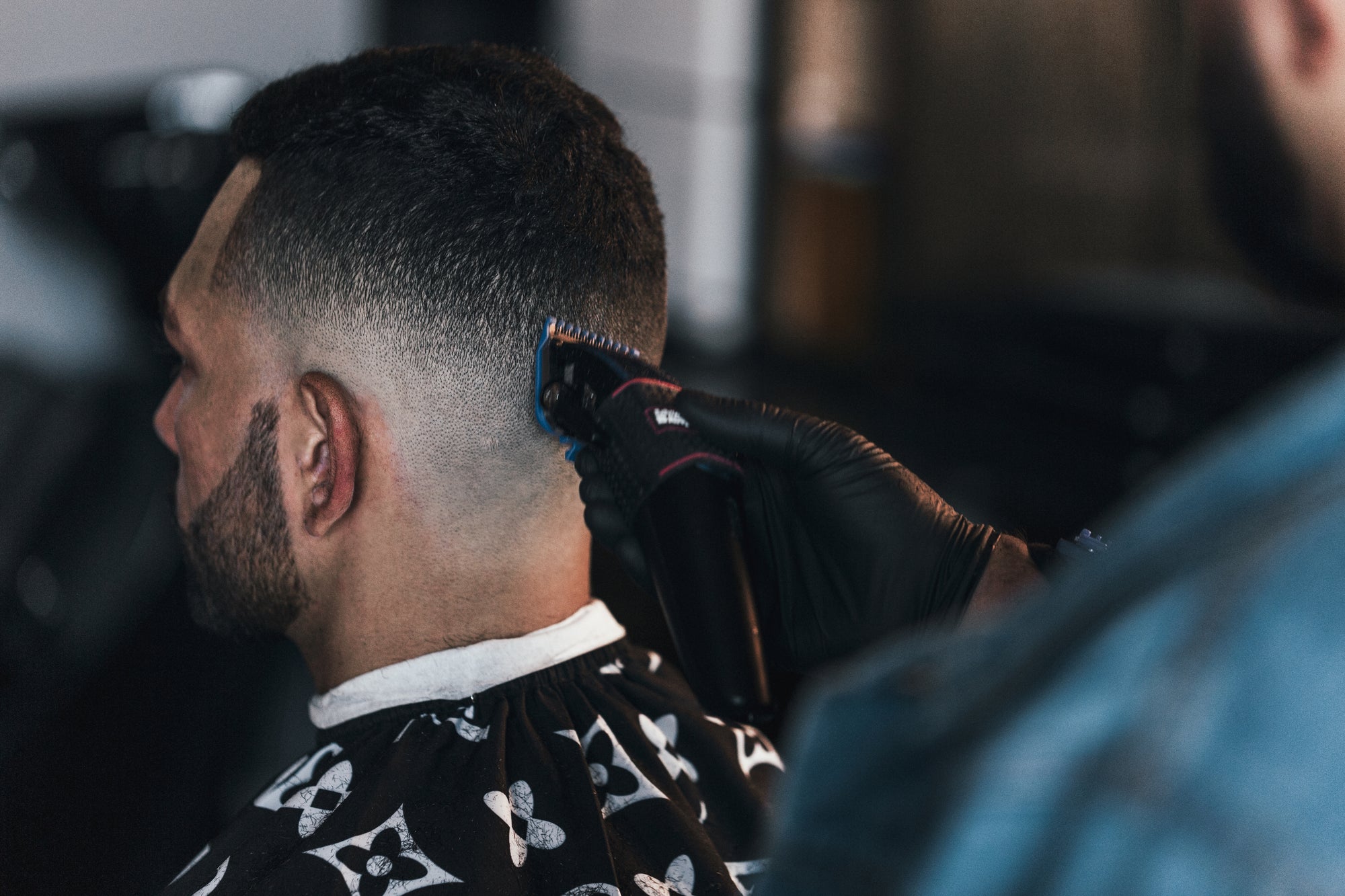
- Sides close at the band line. Pass: a fade or close taper where the band sits, so compression leaves no ridge. Fail: full sides that print a hat line within an hour.
- Texture over slick styles. Pass: a textured, matte finish that looks fine disturbed. Fail: a combed, glossy style that only works undisturbed.
- Product applied after, not before. Pass: a small amount worked in once the hat comes off for the day. Fail: morning product sweated into the hat band by noon.
- Hat and liner hygiene weekly. Pass: bands washed, helmet liners aired and cleaned on a routine. Fail: months of sweat buildup going back on a clean scalp daily.
- Scalp checked monthly. Pass: no persistent sore or flaky patch at contact points. Fail: an itchy, irritated band line you keep ignoring, which deserves a closer look rather than a stronger shampoo.
Season by season in the Piedmont
Summer is the hard season: heat, thunderstorms, and sweat under any headwear. Go a notch shorter than your winter preference, lean on fades at the band line, and rinse sweat out of hair at day's end even on days you skip shampoo. A hat that comes off a sweaty head and goes straight into a hot truck cab will smell by August; airing it overnight is a grooming step, not a nicety.
Fall and spring are the forgiving months, when medium length behaves and most cuts recover with a hand-rough and thirty seconds. Winter swaps sweat for dryness: heated indoor air and cold wind leave scalp flaky under wool hats, so condition a little more, and beware static flyaways when a knit hat comes off. The cut itself can stay the same; the care around it rotates.
Riders have one extra calendar item: check helmet liner fit whenever you change cuts. Noticeably shorter hair can let a helmet sit looser, and a helmet should fit the head you have now, not the one from spring.
The thirty-second recovery routine
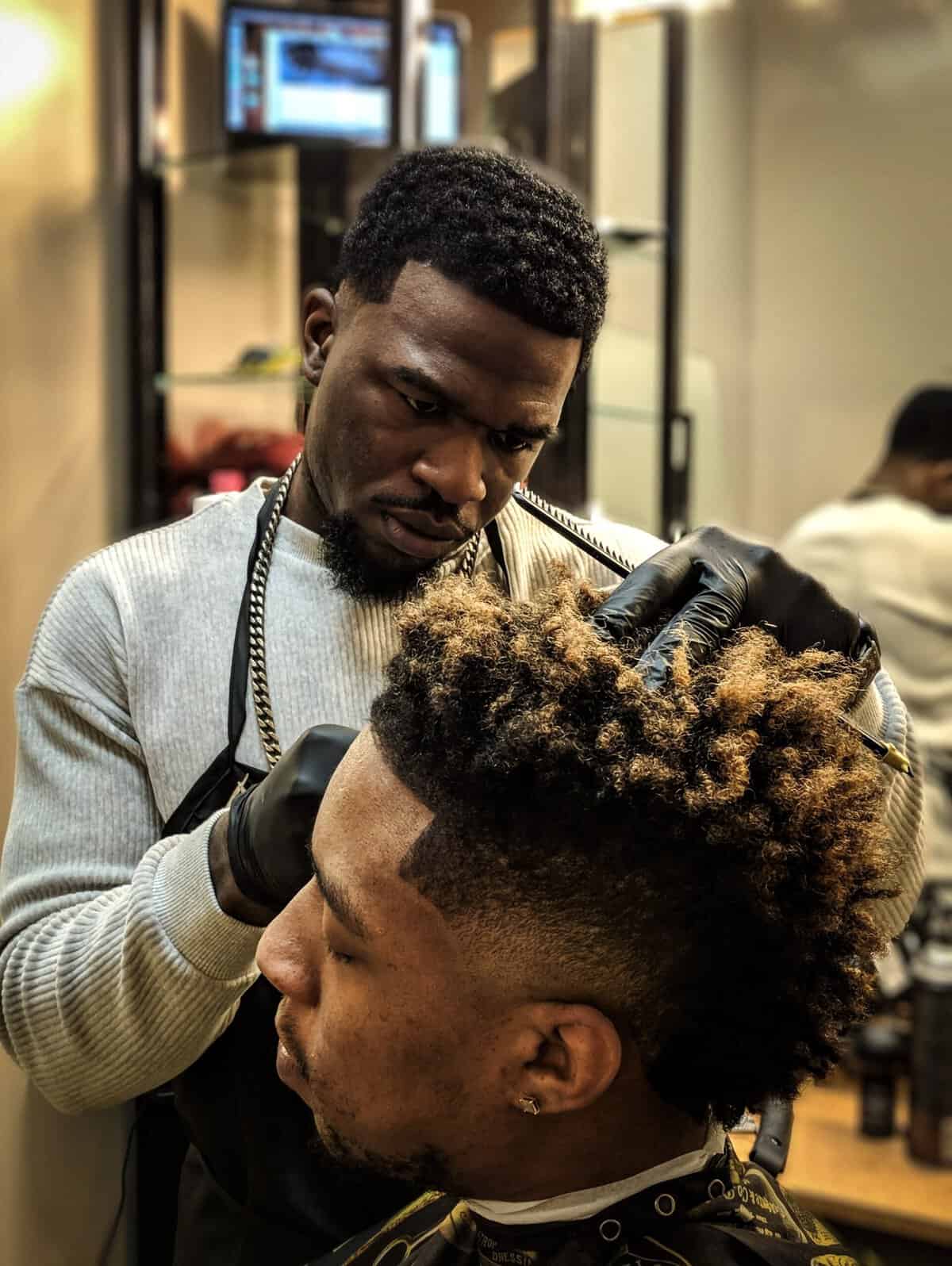
When the hat comes off: rough the hair up with dry fingers against the direction it was flattened, then smooth it into place with damp hands if water is nearby. Damp fingers reset the shape better than any emergency product, because the problem was dried-in compression and a little moisture releases it. Keep a small matte product wherever the hat comes off, truck console or locker, and use half what you think you need. King's Cutz Barber Shop cuts plenty of Rock Hill work crews, and the men whose hair survives the workday are the ones whose cut never needed rescuing in the first place.
Common questions
Does wearing a hat cause baldness?
No. Normal hat wear does not cause pattern hair loss. Very tight headwear worn constantly can stress hair at contact points, but ordinary hats and properly fitted helmets are not a cause.
What is the best cut for a hard hat job?
A short, textured top with faded sides at the band line. It recovers with a hand-rough, prints no hat ridge, and stays comfortable in summer heat.
How often should I wash a hat or helmet liner?
Weekly during heavy summer wear is a good rhythm, and whenever it starts to smell. Sweat buildup in the band goes straight back onto your scalp every morning.
Photos in this guide are representative stock images.
← All guides from King's Cutz Barber Shop← Back to King's Cutz Barber Shop