The first visit to a new barber goes wrong in predictable ways: the sides end up tighter than expected, the top shorter than the picture in your head, and you leave polite and quietly annoyed. Almost none of that is cutting skill. It is consultation failure, two people using the same words for different lengths. At King's Cutz Barber Shop in Rock Hill, the first five minutes in the chair decide the next thirty.
Treat the first visit like troubleshooting in advance. Name the symptoms of past bad cuts, find what caused them, and settle the fix in words before any tool starts. Here is what that conversation looks like when it works.
What a good barber is looking at while you talk
While you describe the cut, the barber is reading your head. Hairline shape, crown whorls, growth direction, density, the scars and bumps every head has, and how your last cut grew out. That last one is the most informative: grow-out shows your real intervals, your real styling habits, and where the previous barber left weight.
This is why a good consultation happens before the cape and clippers, with your hair dry and in its normal state. Arrive with your hair roughly how you wear it, not slicked into a style you maintain twice a year. If you wear a hat all day for work, say so; hat-compressed hair hides its natural fall, and the barber would rather know.
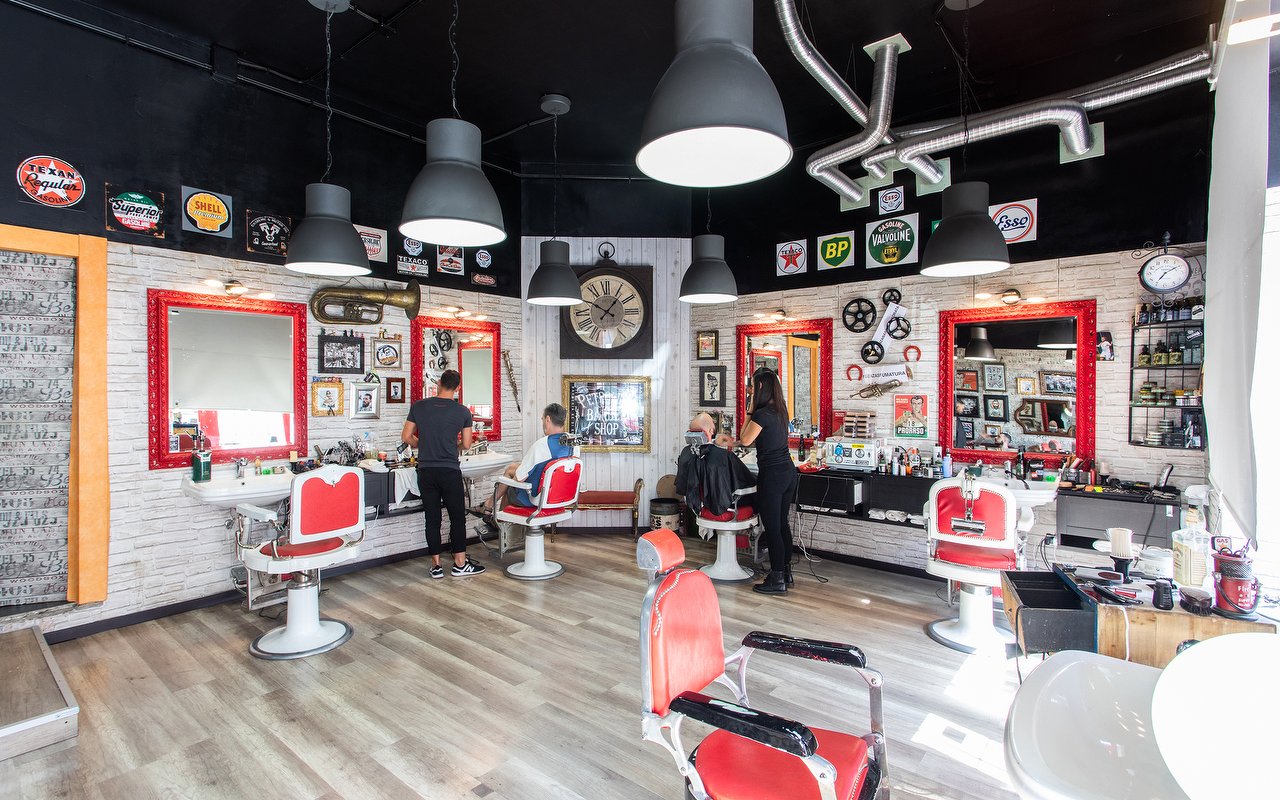
The consultation, step by step
- Start with history. When was your last cut, and what did you ask for? If you know guard numbers from a previous barber, give them; they translate across shops.
- Show, do not just tell. A photo of the target cut, or better, a photo of your own head after a cut you liked. Point to the sides and the top separately.
- Name the failures. "Last time the top went too short" or "the fade sat too high" prevents a repeat. Barbers would rather hear it in minute one than see it in your face at the mirror check.
- State your upkeep honestly. How often you realistically come in, and whether you use product at all. The barber cuts for the version of you that exists on a Tuesday, not an ideal one.
- Settle the edges. Necklines, sideburn length, and whether you want a line-up. These small choices are where first visits most often miss, because nobody mentioned them.
- Agree the mirror check. A good barber shows you the back and sides before finishing touches, while changes are still easy. Expect it; ask for it if it does not happen.
How regulars get remembered
Regulars are not remembered by magic. They are remembered because the details of their cut got written down or repeated consistently: the guard on the sides, the fade height, the neckline shape, the product finish. Many shops keep notes on repeat clients, and your second visit goes faster because the first visit produced a record instead of a guess.
You can build that record yourself. After a first cut you like, note what was done while it is fresh: numbers, what the top was called, anything the barber adjusted. Bring that note to visit two, in Rock Hill or anywhere. The barber who hears "same as last time, it was a two on the sides, scissor top, tapered neckline" can reproduce the cut. The one who hears only "same as last time" is guessing politely.
Red flags worth acting on
A consultation that lasts ten seconds is one. So is a barber who starts cutting while you are still describing, or who dismisses a photo without looking at your hair. None of these guarantees a bad cut, but together they predict the classic first-visit miss: a competent haircut that is not the one you wanted. Speaking up mid-cut is allowed and normal. The earlier the correction, the smaller it needs to be.
One last habit separates a decent first visit from a useful one: as you leave, say back what you understood the plan to be for next time, including any numbers mentioned. It takes twenty seconds, catches misunderstandings while the evidence is still on your head, and gives the shop a clean note to keep. First visits build the file; every later visit spends it.
Common questions
Should I book a simple cut for a first visit?
It is a sensible test. A standard cut shows you the barber's blending, edges, and consultation habits before you commit to anything elaborate like beard sculpting.
What if I do not know the names of styles?
Most clients do not. Describe lengths by area and bring a photo; barbers work from that combination daily. Guard numbers help but are not required on visit one.
Is it rude to say I do not like something during the cut?
No. Short, specific, and early is the polite version: "a little longer on top than that" in minute five saves everyone a repair job in minute thirty.
Photos in this guide are representative stock images.
← All guides from King's Cutz Barber Shop← Back to King's Cutz Barber Shop