By the second week of pool season, regular swimmers can spot each other: hair that feels like straw, a scalp that itches under a hat, and on lighter hair a faint green cast that has nothing to do with the water's color. Rock Hill summers run long and hot, pools stay open for months, and at King's Cutz Barber Shop the chlorine conversation starts every June like clockwork.
Chlorine damage is cumulative and mostly preventable. The calendar below follows a Carolina pool season from opening weekend to closing, because when you do each thing matters as much as what you do.
What pool water actually does
Chlorine keeps pool water sanitary by reacting with organic material, and hair is organic material. It strips the natural oils that coat each strand, roughens the outer cuticle, and leaves hair porous, so it absorbs more water and whatever is dissolved in it. The green tint comes not from chlorine itself but from copper compounds in pool water binding to damaged, porous hair; blond and lightened hair shows it most.
Scalp takes its own share. Stripped of oil and rinsed in treated water daily, skin dries, flakes, and itches, and men tend to blame dandruff products that were never the problem. Saltwater pools are gentler on hair than traditionally chlorinated ones but still drying, and lake water around the Piedmont brings its own grit and algae rinse-off needs.
A pool-season calendar
| When | Do this | Why it matters then |
|---|---|---|
| Before the season (May) | Get a proper cut and clear out dry, split ends | Damaged ends absorb the most chlorine and minerals; starting with healthy ends slows the whole cycle |
| Every swim | Wet hair with clean water before entering, rinse after | Hair soaked in clean water absorbs less pool water; a plain rinse after removes most residue before it dries in |
| Weekly, all season | One clarifying wash; conditioner on the other wash days | Clarifying shampoo removes mineral and chlorine buildup; overusing it daily strips hair further, so weekly is the balance |
| Mid-season (July) | Shorten up: a closer cut or fresh fade | Removes the most damaged inches at the peak of exposure and cuts daily upkeep when swimming is most frequent |
| After heavy weeks | Condition deeply and give the scalp a rest day from hats | Heat plus a damp hat on stripped skin is where mid-summer scalp itch mostly comes from |
| Season's end (September) | Trim the ends again and return to a normal wash routine | Cutting the summer's damage off now keeps it from splitting upward into healthy hair all fall |
The pre-swim trick that does the most
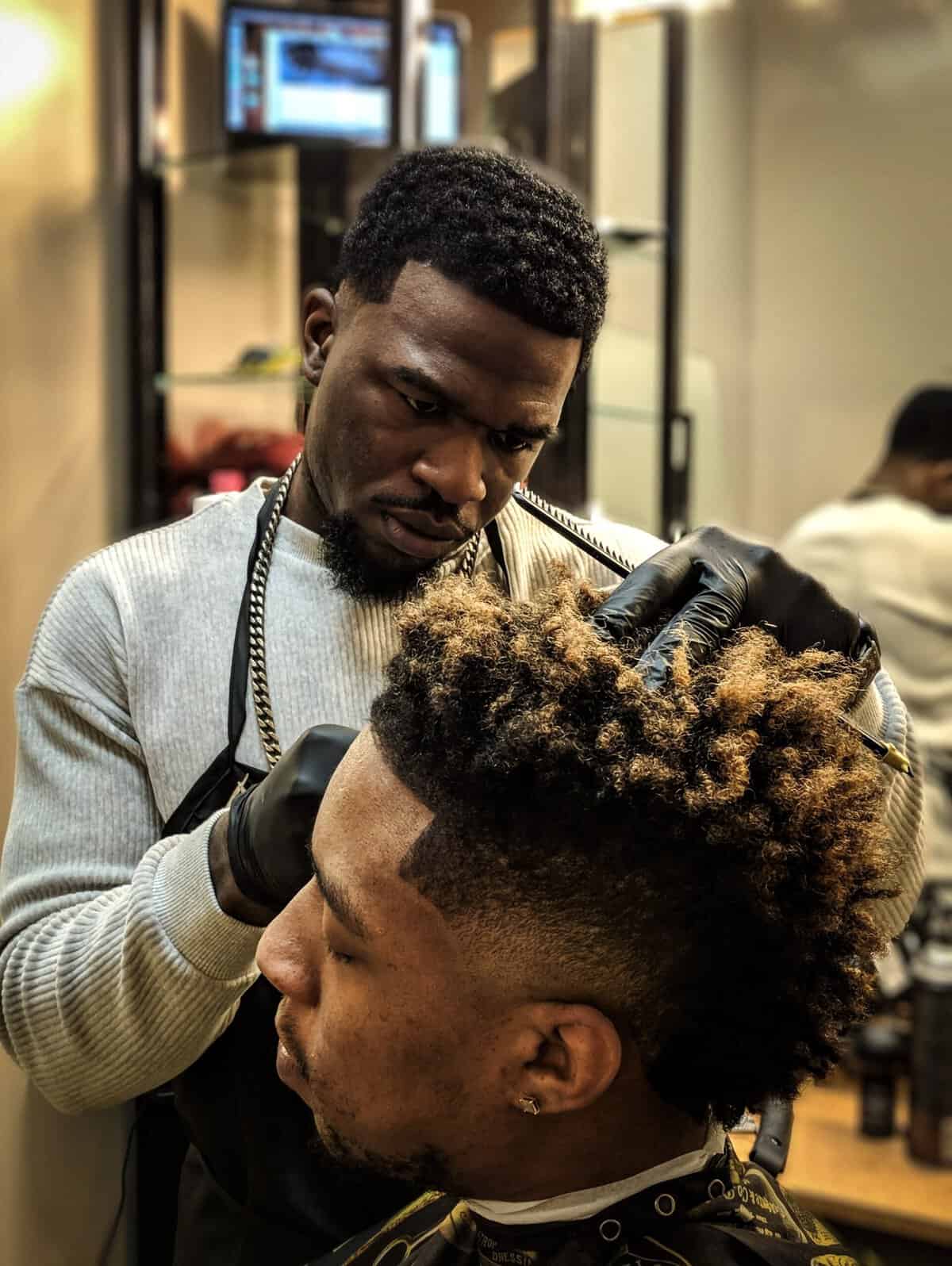
Of everything on the calendar, wetting hair with clean water before the pool does the most work for the least effort. Think of hair like a sponge: a dry sponge dropped in pool water fills with pool water; a sponge already full of clean water takes in very little more. A thirty-second shower at the pool, or a water bottle poured through your hair at an unshowered swim spot, meaningfully cuts chlorine uptake.
A swim cap does the job best of all and most men will not wear one outside of laps. For lap swimmers it is worth it anyway. Everyone else can rely on the pre-wet, a cap or hat for the sun between swims, and the rinse after.
When short is simply the answer
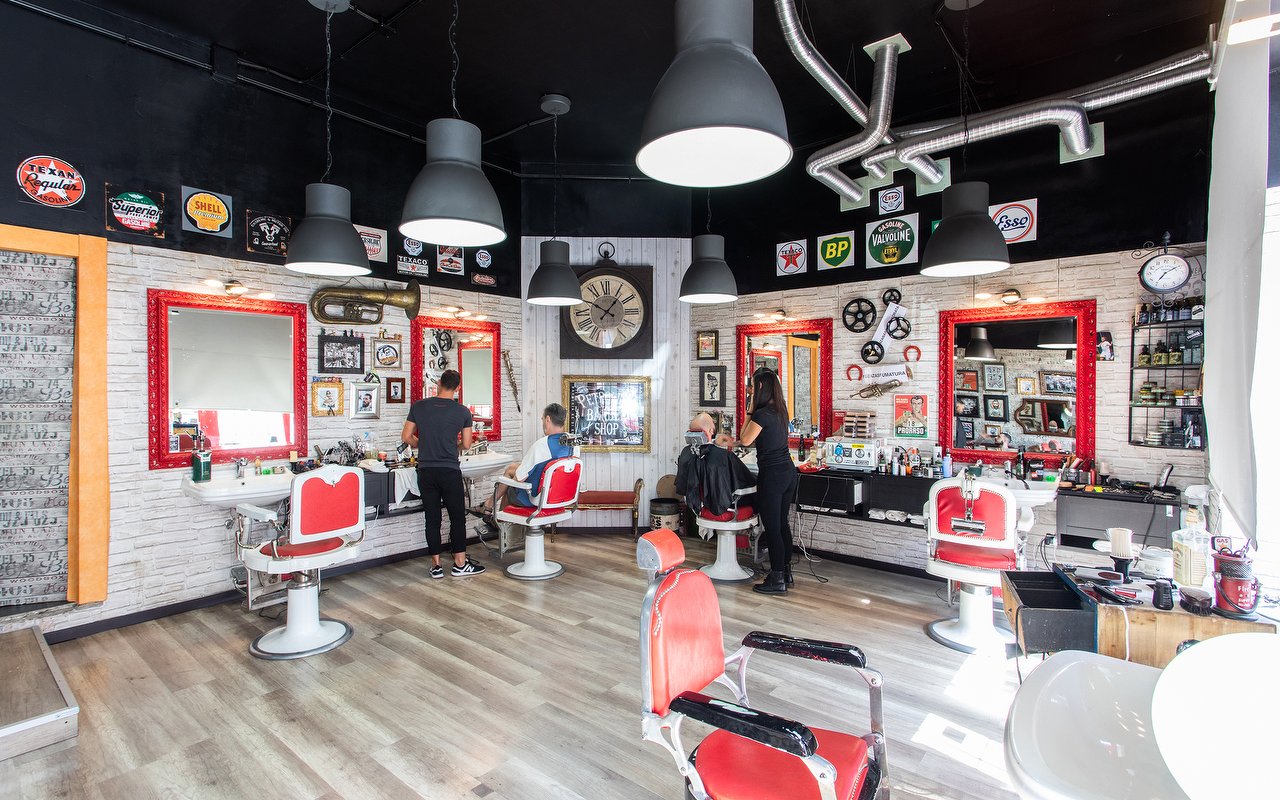
Men who swim daily for exercise or work around pools all summer often land on a short cut by July, and not as a surrender. Short hair holds less water, dries in minutes, needs almost no product that would rinse into the pool, and presents less damaged length to begin with. A fade or a short, even crop through the season, then grow it back in the fall if you want, is the strategy barbers see work most reliably for heavy swimmers in Rock Hill.
One more habit earns its place on the calendar: protect the scalp itself. Short summer hair and part lines burn quickly during long pool days, and a burned scalp peels into flakes that look exactly like the dryness you were trying to avoid. A hat between swims, or sunscreen worked along the part, keeps the whole routine from being undone by a single Saturday at the pool.
Common questions
Does chlorine turn hair green?
Not directly. Copper in pool water binds to porous, chlorine-damaged hair and leaves the tint, mostly on blond or lightened hair. Keeping hair less porous is the prevention.
Should I wash my hair every day during pool season?
Rinse daily after swimming, but wash with shampoo less often. A weekly clarifying wash plus gentle washing on other days balances buildup against stripping.
Can a barber fix chlorine damage?
A barber can cut off the damaged length and set you up with a manageable style, but no treatment restores a stripped strand. Prevention and trims carry the season.
Photos in this guide are representative stock images.
← All guides from King's Cutz Barber Shop← Back to King's Cutz Barber Shop